When most people think of natural dyes, they think of yarn. But you can absolutely tie dye with natural dyes too, and dyeing with logwood is one of the easiest ways to start. I actually got started tie dyeing because of natural dyes almost seven years ago, then took a long break from it. Dharma just came out with some new natural dye products, so I decided it was time to get back into it and share what I know about dyeing with logwood.
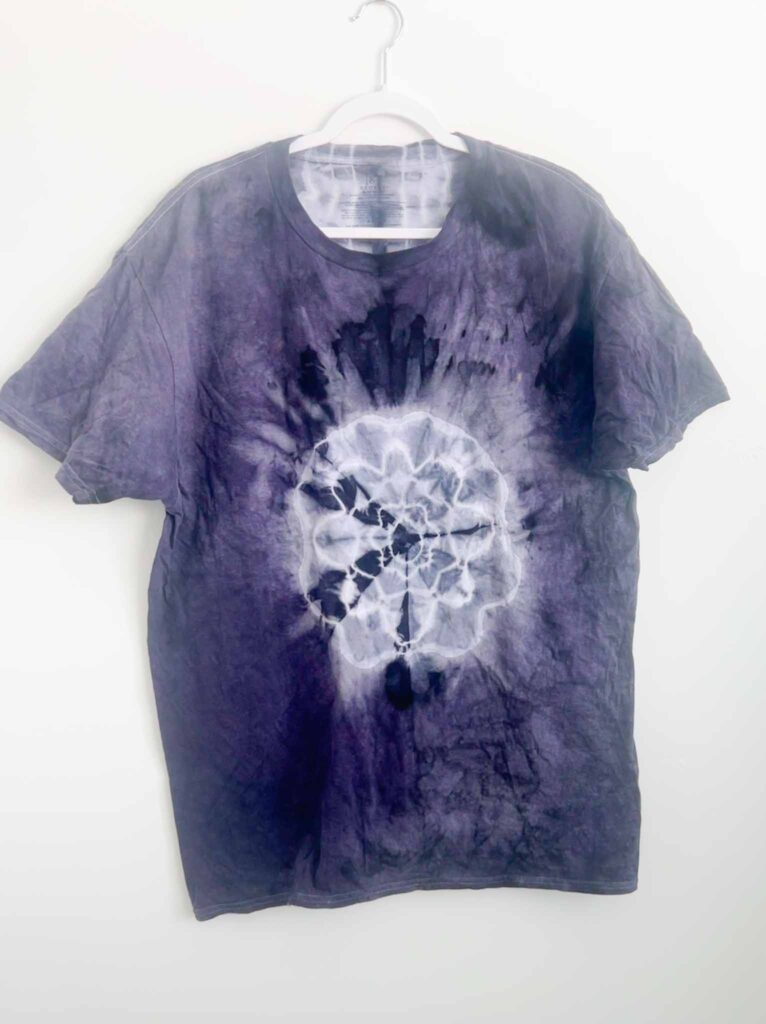
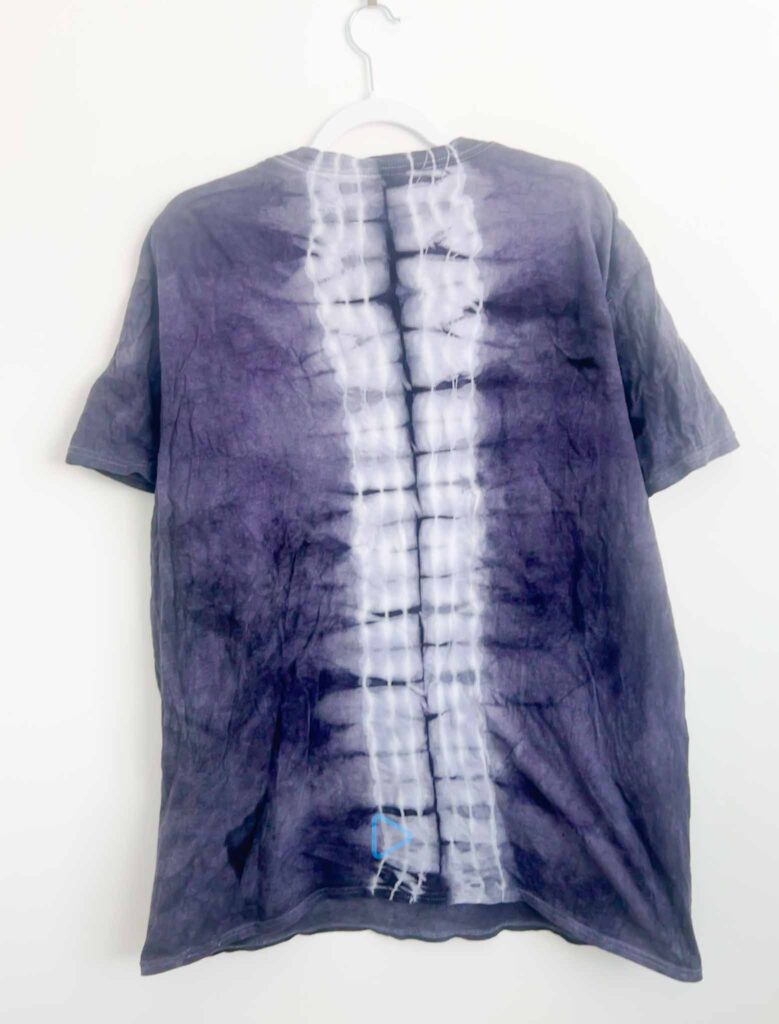
Natural Dye vs. Procion Dye: What’s Different When Dyeing with Logwood
The biggest difference between procion dyes (the ones I usually use for tie dye) and natural dyes is the mordant, sometimes called a pre-soak. Natural dyes need a mordant to help the color bond to the fabric, and that step takes some time.
What You’ll Need
- A cotton fiber item (shirt, tea towel, etc.)
- Alum (about 20g for a typical t-shirt)
- Soda ash (about 5g)
- A kitchen scale
- Logwood extract (I got mine from Etsy, but Dharma now carries natural dye stuffs too. I use about 1 oz per shirt.)
- A dye pot
- Iron bath (optional, for a darker muted color)
If you’d rather watch this tutorial in video form check it out here:
Step 1: Mordant Your Fabric
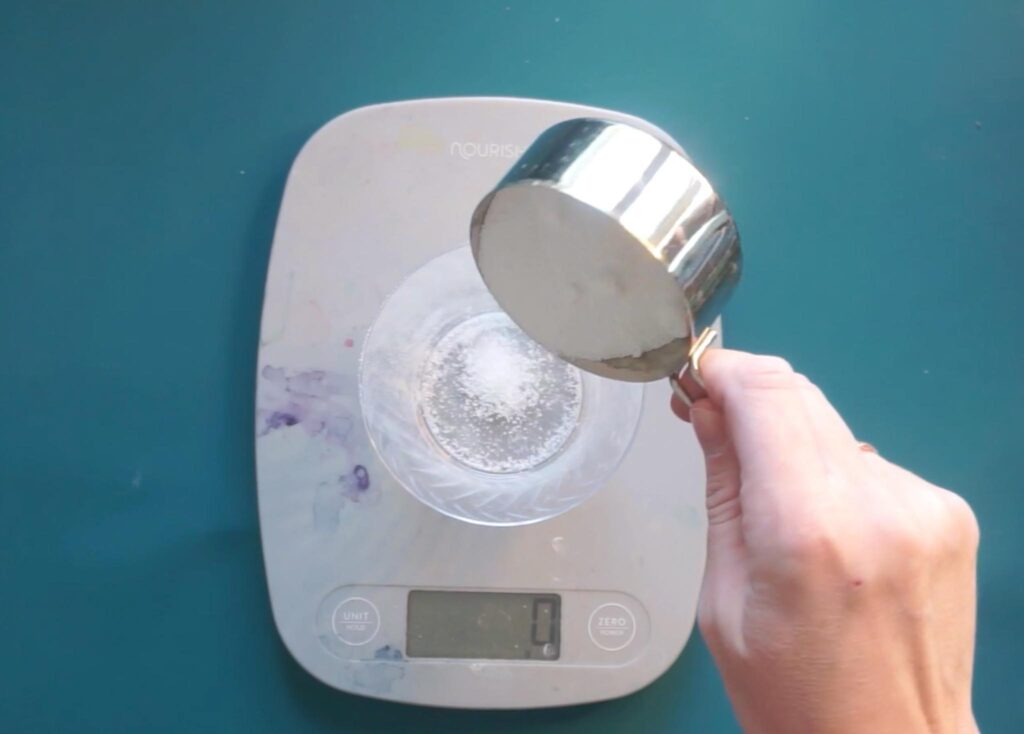
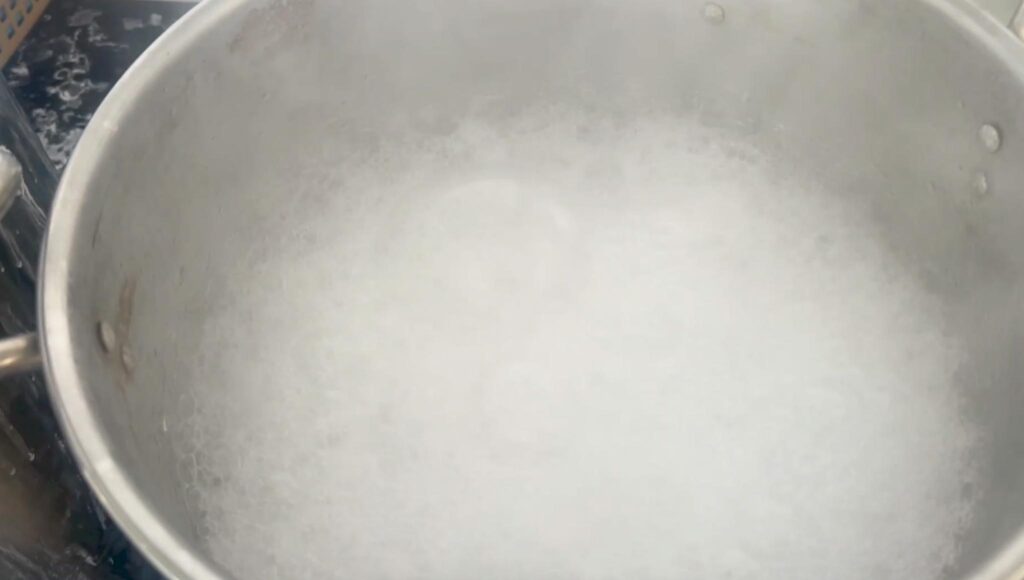
Start by boiling water and adding your alum, about 20g for a typical t-shirt. Once that’s dissolved, add about 5g of soda ash. It will bubble up quite a bit when you add it, kind of like a little chemistry project.
Add your fabric to the pot. It will take on a milky look. Let it sit on the heat for about an hour, then turn the heat off and let it sit for 24 hours total. Rinse it out afterward without detergent, just a plain water rinse.
Step 2: Fold Your Mandala
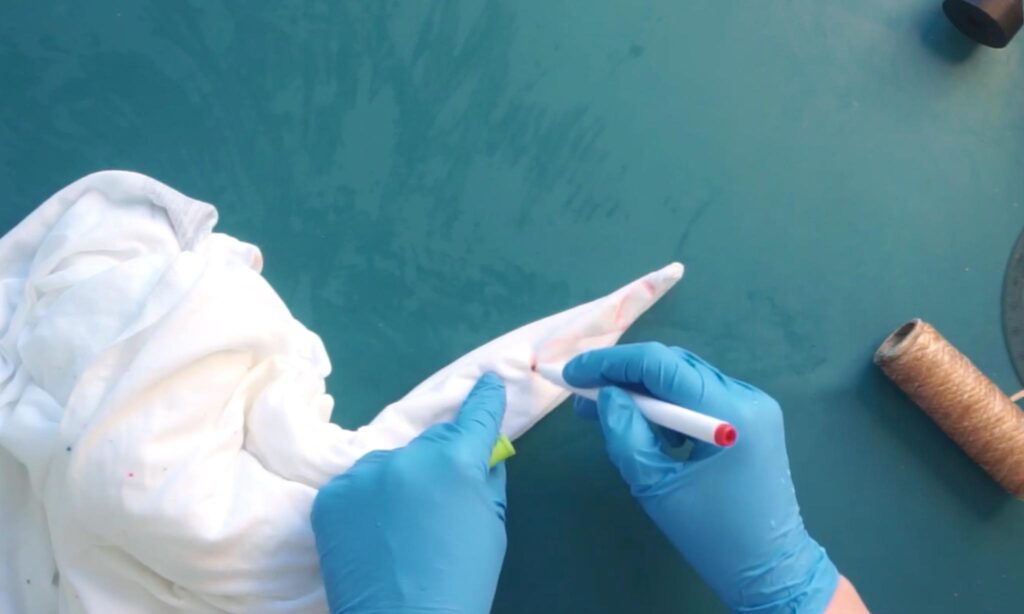
For this project I did a mandala fold. Find the center of your fabric, airplane fold it, then draw a couple of zigzags to follow as you fold. I keep the fold explanation brief here since this post is really about the natural dyeing, but I have a full playlist on mandala folding if you want a deeper walkthrough.
Step 3: Dyeing with Logwood
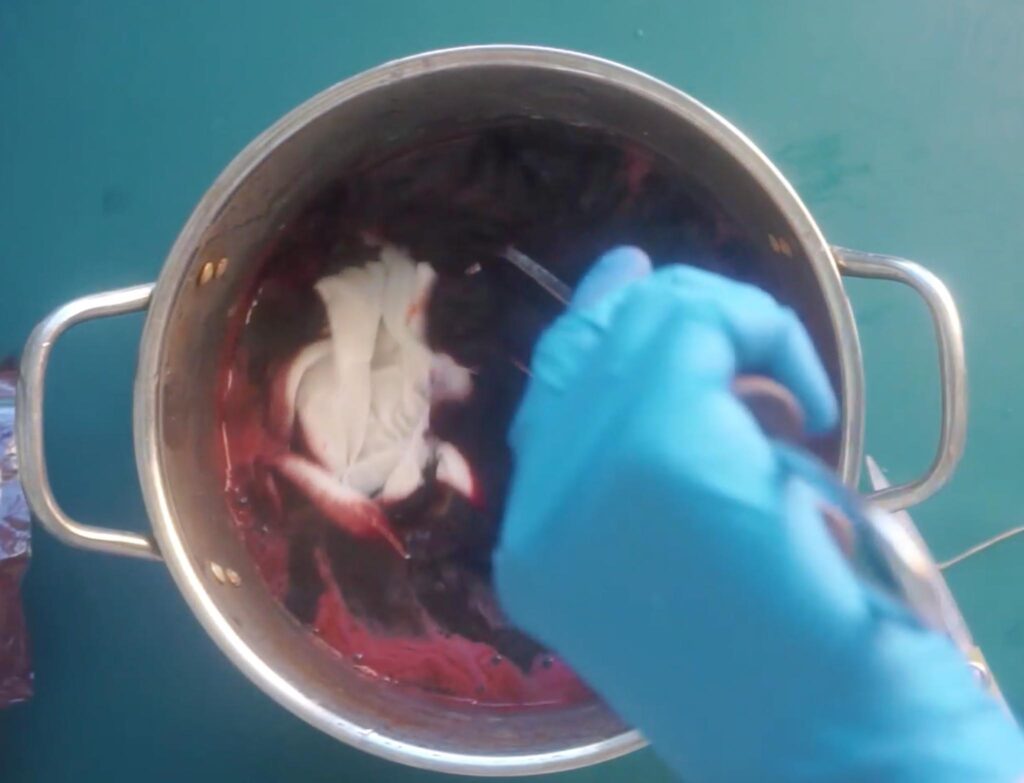
Heat your water to around 150°F, just under boiling, and stir in the logwood extract until it dissolves. Add your folded fabric and put it back on the heat for about an hour, or longer if you want a deeper color and shorter if you want it lighter. Let the dye pot cool, then let the fabric sit in it for about 24 hours.
Step 4: Iron Bath (Optional)
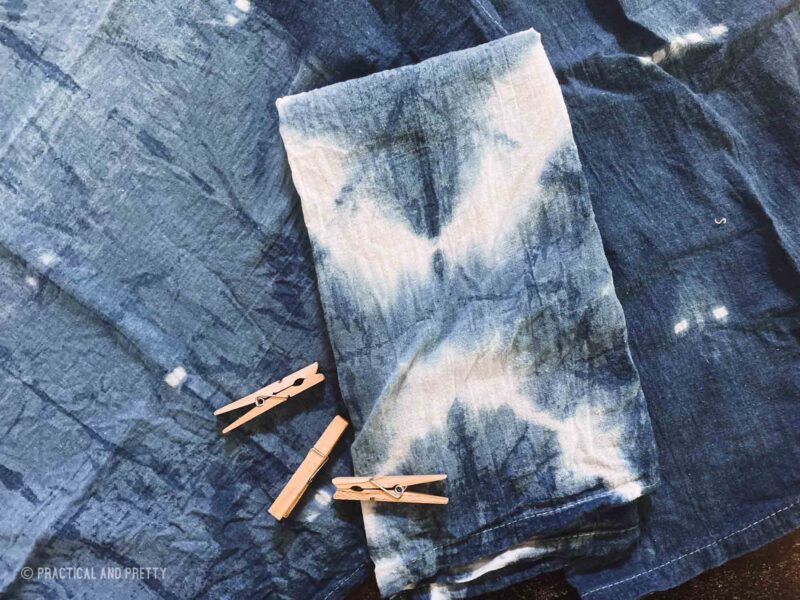
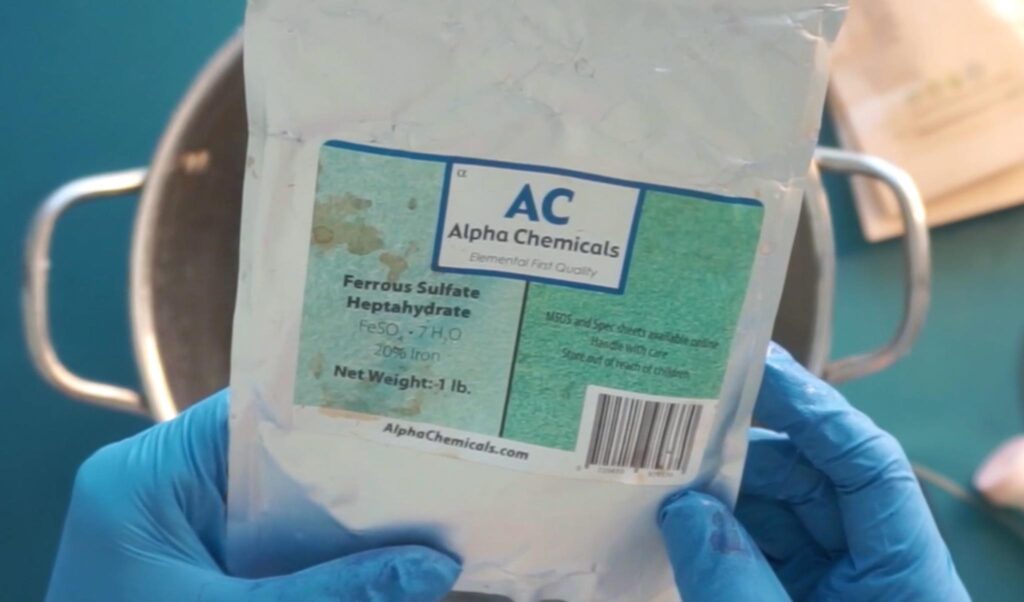
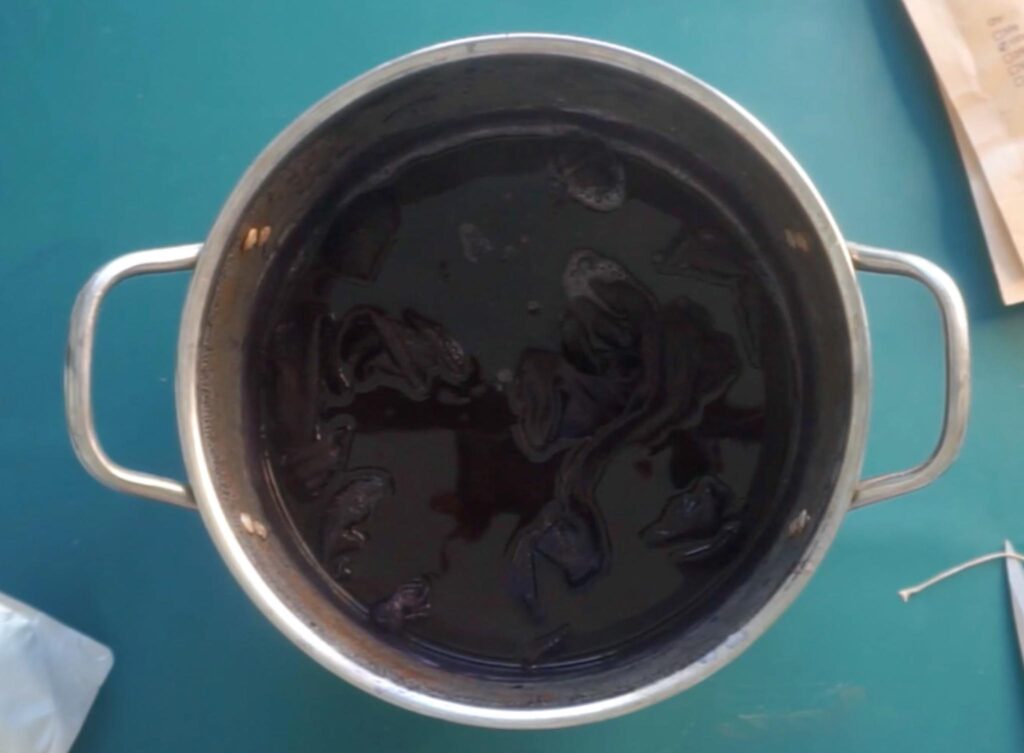
I added an iron bath to this piece, which shifts the color from a bright purple to a more muted, darker purple. It’s an easy way to change the tone of your final result without changing the dye itself.
Step 5: Dry, Rest, and Wash
Let the fabric dry, then let it rest for another 24 hours before washing it out. Natural dyeing takes patience. Between mordanting and dyeing you’re looking at a couple of days total, but the process is a fun one to slow down with.
Because I didn’t stir constantly, my piece came out a little patchy, which I love for a mandala. If you stir more throughout the dye time, you’ll get a more even color.
Frequently Asked Questions
How do you dye with logwood?
Dyeing with logwood starts with mordanting your fabric in alum and soda ash. Once mordanted, dissolve logwood extract in hot water (around 150°F), add your fabric, and let it dye for about an hour before letting it rest in the pot for 24 hours.
Can you tie dye with natural dyes?
Yes. Natural dyes like logwood work well for tie dye, though the process takes longer than procion dye because of the mordanting step.
What is a mordant and why do I need one?
A mordant, made from alum and soda ash, helps natural dye bond to fabric. Without it, the color won’t hold well after washing.
How long does natural dye tie dye take?
Plan for a couple of days. Mordanting takes about 24 hours, dyeing takes about 24 hours, and then the fabric needs to rest again before washing.
What does an iron bath do to natural dye?
An iron bath darkens and mutes the dye color. In this project it turned a bright purple into a deeper, muted purple.
Want to Learn Tie Dye Folds?
If you’re new to tie dye and want to master folds like this mandala, grab my free 12 Tie Dye Folds ebook: https://practicalandpretty.myflodesk.com/o83j7vh2tg
Shop my tie dye pieces and supplies on Etsy, Amazon, or Walmart. Use code ANNA for 20% off at Jacquard.