If you’ve spent any time researching or even thinking about tie dye silk, you may have heard you must use acid dyes. Silk is a protein fiber, acid dyes are made for protein fibers. But I wanted to actually test that claim.
In this experiment, I dyed a real 23mm mulberry silk pillowcase using Procion MX fiber reactive dyes and soda ash (the same dyes and process I normally use on cotton.) No acid dyes, vinegar, or special setup.

Here’s exactly what I did, why it worked, and the one thing that actually matters if you want to try this yourself.
Watch this tutorial in video form if you’d prefer!
The Big Myth About Tie Dyeing Silk
The common belief is that silk requires acid dye because it’s a protein fiber. While that’s true in a traditional sense, it’s not the whole story.
Procion MX dyes don’t only react with cellulose fibers. Under the right conditions, they can also bond with protein fibers like silk. The key is high pH which is exactly what soda ash provides. This means the dye isn’t just sitting on the surface of the fabric. It’s actually forming a bond with the fiber.

The Silk Matters More Than the Dye
This is the most important part of this entire experiment:
This only works on real silk.
Many products marketed as “silk” are actually polyester satin. Procion MX dyes will not bond to polyester. If you try this process on polyester satin, it will fail.

For this test, I used a 23mm mulberry silk pillowcase from Promeed. It’s real silk, not a blend, and not satin polyester pretending to be silk.
If you want to try this yourself, this is the exact pillowcase I used (affiliate link, 15% off).
What I Used
- Procion MX fiber reactive dyes
- Soda ash
- 23mm mulberry silk pillowcase (100% silk)
- Ice dye setup
I used the same dyes, same chemicals, and same overall process I use when dyeing cotton.

The only adjustment I made was how I handled the soda ash. Since soda ash can make fabric feel stiff if it sits too long, I mixed it into the dye and sprinkled it on instead of soaking the silk.
The Dye Process
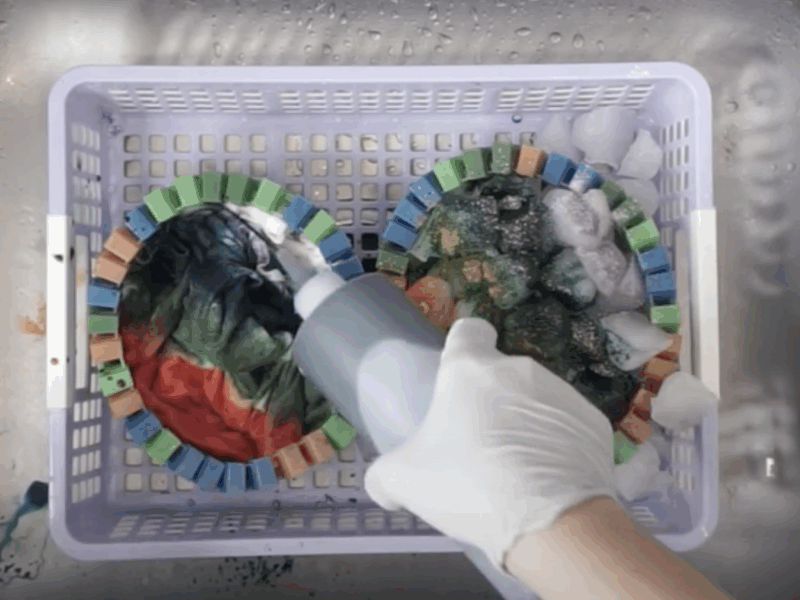
I used a geode tie-dye technique on the pillowcase, tying it with sinew and adding ice on top. The dye color used in this test was Pillars of Creation from Grateful Dyes.
I did not pre-soak the silk. I also didn’t get it wet since protein fibers like silk (and rayon) can be damaged if tied too tightly.

The piece batched for about 12 hours. I intentionally did not let it sit for a full 24 hours because I didn’t want soda ash on the silk for too long.
Rinsing and Washing Results
After batching, I rinsed the pillowcase the same way I normally would with a little adjustment:
- Cold rinse
- Cold wash with Dawn dish soap
I skipped a hot wash because the care instructions for the pillowcase recommended avoiding hot water.

The color stayed.
That’s the key takeaway here. If the dye were just sitting on the surface, it would have washed out. The fact that it didn’t tells us the Procion MX dye actually bonded with the silk.
Final Results
The silk absorbed the dye evenly, the colors developed beautifully, and the fabric stayed soft. There was no stiffness and no visible damage to the silk.

This experiment shows that you don’t need acid dyes just to tie dye silk.
The Biggest Takeaway for Tie Dyeing Silk
If you already own Procion MX dyes, you don’t need to buy an entirely new dye system to try silk.
You can use what you already have, as long as you’re working with the right fiber. Real silk works. Polyester satin does not.
If you’d like to see more fiber tests like this, let me know what you want me to experiment with next.
New to tie dye? I also have a free printable with 12 tie-dye folding techniques (linked below), plus finished pieces available in my Etsy shop.