Tie dye shoes are one of the most popular DIY projects because they’re wearable, customizable, and beginner-friendly. Whether you want bold ice dye blends, soft marbled patterns, or vibrant Sharpie designs, this guide walks you through exactly how to tie dye shoes step by step using three different methods.
In this guide, I’ll show you three of my favorite ways to tie dye canvas shoes:
- Ice dye (bold, organic color blending)
- Shaving cream dye (soft, marbled look)
- Sharpie dye (controlled, vibrant designs)
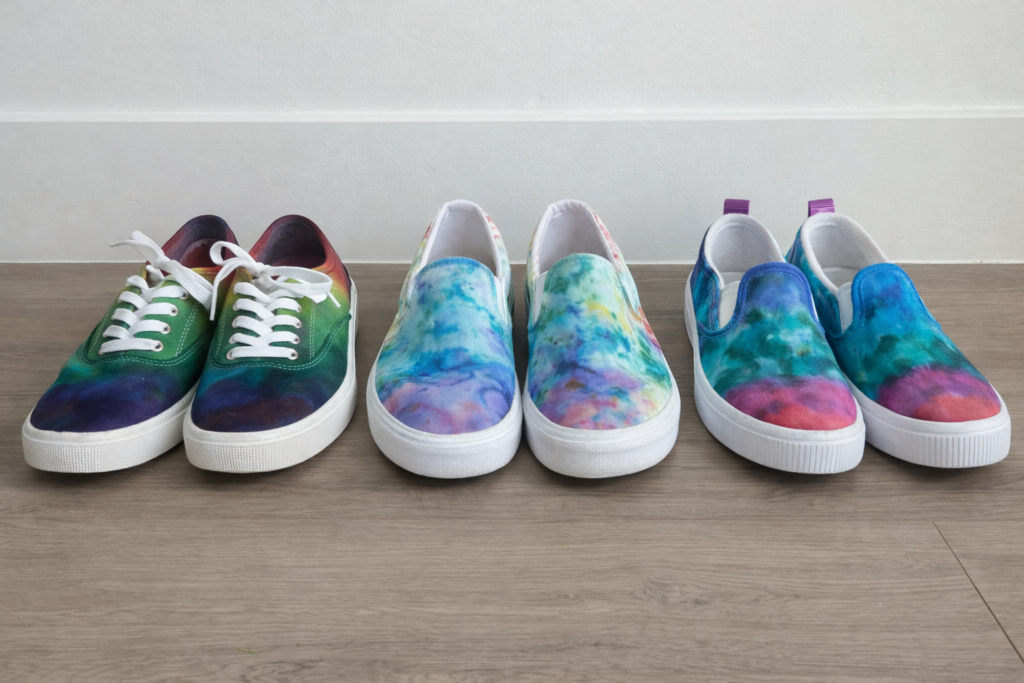
Each method has its own personality, difficulty level, and final look. I’ll help you decide which one is right for you.
Before you get started, you need the right shoes. Here are a few options that WILL work.
- Lightweight Women’s Canvas Shoes
- Kid’s Lace Up Canvas Shoes
- Kids Slip On Canvas Shoes
- Unisex Canvas Shoes
Method 1: Ice Dye Canvas Shoes
Best for: bold color splits and organic, one-of-a-kind results.
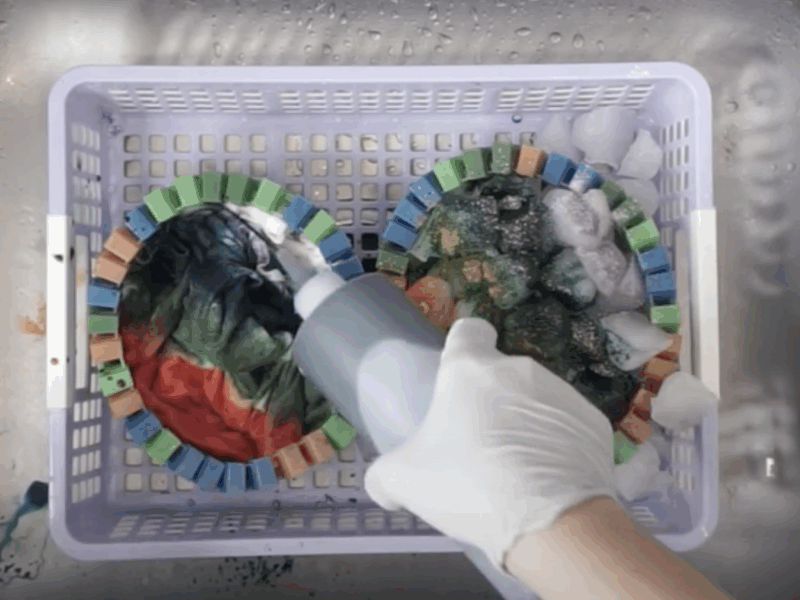
Ice dye is one of the easiest and most forgiving ways to tie dye shoes. Instead of applying liquid dye, you sprinkle dye powder over ice and let the melting process create natural blends.
The result is rich, vibrant color with beautiful variation that’s impossible to replicate exactly.

Why this method works well:
- Very beginner-friendly
- Creates professional-looking results
- Minimal effort required
- Every pair turns out unique
Read the full ice dye canvas shoes tutorial here →
Method 2: Shaving Cream Tie Dye Shoes
Best for: soft, marbled, pastel-style results.
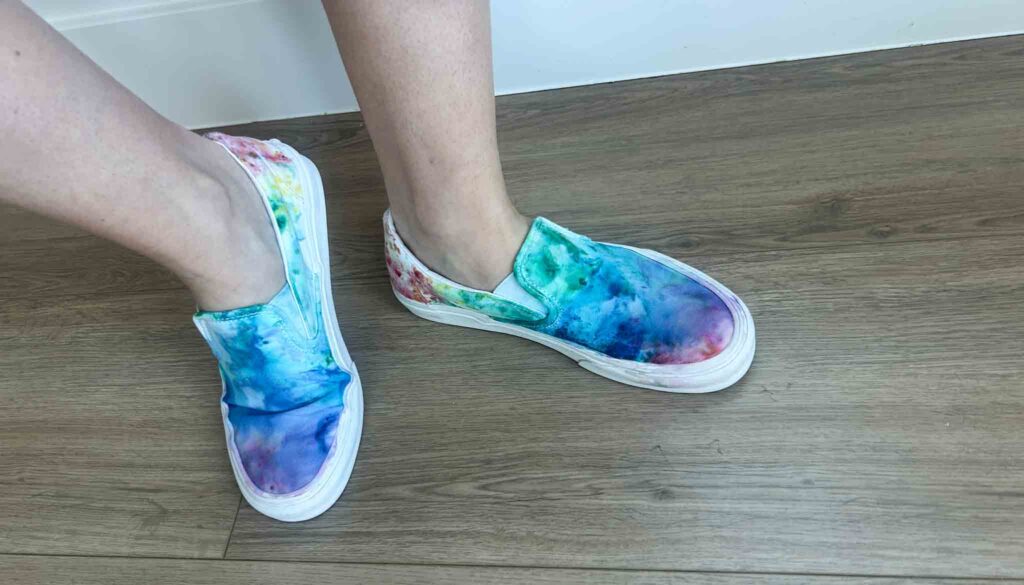
This method uses shaving cream as a medium to hold and distribute dye across the fabric. It’s fun, slightly messy, and produces beautiful marbled patterns.
This technique gives you more control over placement while still creating organic blending.
Why people love this method:
- Very fun and beginner-friendly
- Unique marbled look
- Easy to control color placement
- Great for creative experimentation

Read the full shaving cream tie dye shoes tutorial here →
Method 3: Tie Dye Shoes With Sharpies
Best for: maximum control and vibrant color.

This method uses Sharpie markers and rubbing alcohol to create tie dye effects. It’s one of the most accessible options because it doesn’t require traditional dye.
You can create spirals, rainbows, gradients, and custom designs with precision.

Why this method is great:
- No traditional dye required
- Easy cleanup
- Excellent color control
- Very beginner-friendly
Read the full Sharpie tie dye shoes tutorial here →
Which Tie Dye Shoes Method Should You Choose?
If you’re trying to decide which method to try first:
- Choose ice dye if you want bold, professional results
- Choose shaving cream if you want soft, marbled patterns
- Choose Sharpies if you want maximum control
Honestly, you can’t go wrong with any of them.
Each method produces completely different results, which makes tie dye shoes such a fun project to experiment with.
Tips for the Best Tie Dye Shoes Results
- Always start with white canvas shoes
- Remove shoelaces before dyeing
- Tape off rubber soles
- Use soda ash when working with fiber reactive dye
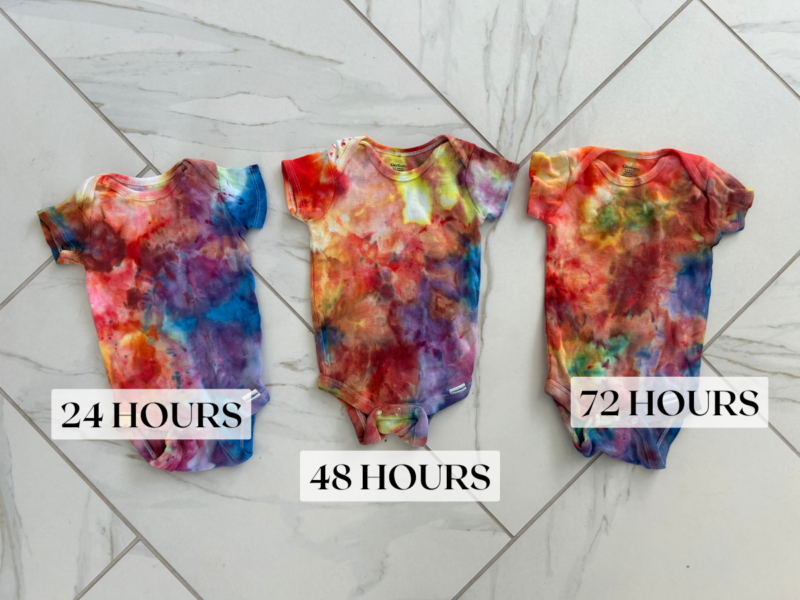
- Allow 24 hours for dye to fully process
Can You Tie Dye Shoes That Aren’t Canvas?
Nope. I tried it and it all washed right out as polyester always does. The sharpie method might work for a bit longer than the tie dye option, but I don’t think it would be worth the effort. When you’re shopping just look for ‘canvas’ shoes and make sure the description doesn’t have polyester involved. If you’re in the mood for name brand, Vans and Converse will both work.
Here are some shoes you could use.
- Lightweight Women’s Canvas Shoes
- Kid’s Lace Up Canvas Shoes
- Kids Slip On Canvas Shoes
- Unisex Canvas Shoes
Final Thoughts on Tie Dye Shoes
Tie dye shoes are one of the most fun and wearable tie dye projects you can make.
Whether you use ice dye, shaving cream, or Sharpies, you’ll end up with completely unique, custom shoes that you can actually wear.
And once you make your first pair, it’s very hard to stop.

Tie Dye Shoes FAQ
Yes—if the shoes are canvas (cotton), you can tie dye shoes at home pretty easily. The three beginner-friendly methods I use are ice dye (dye powder + ice), shaving cream (dye + foam marbling), and Sharpies + rubbing alcohol (marker ink diffusion). Each one gives a totally different look.
White cotton canvas shoes work best (think canvas Vans-style shoes). Natural fibers absorb color well. If the upper is mostly synthetic (like polyester), the color may look dull or wash out faster no matter what method you use.
If you want the easiest “trust the process” method, start with ice dye. If you want a softer marbled look, try shaving cream. If you want the most control and you don’t have dye supplies, Sharpies + rubbing alcohol is the most accessible.
For ice dye and shaving cream tie dye shoes, use fiber reactive dye (the kind made for cotton). It bonds to canvas much better than most all-purpose dyes. For Sharpie tie dye shoes, you’re not using dye—you’re using marker ink that spreads with rubbing alcohol.
If you’re using real dye (ice dye or shaving cream), soda ash helps the dye permanently bond to the canvas. On shoes with metal eyelets, I prefer sprinkling soda ash instead of soaking to reduce the risk of corrosion. If you’re using Sharpies, you don’t use soda ash.
Tape the soles with painter’s tape before you start—every time. Dye and marker ink aren’t meant for rubber, and it’s hard to clean once it stains. Taping is the difference between “cute DIY” and “wow those look professionally done.”
Canvas shoes often take dye more intensely than a cotton T-shirt, especially with ice dye. If you want lighter results, use brighter/lighter dye colors, use less dye powder, and avoid overloading the ice with pigment. (Ice dye loves to go bold.)
For ice dye shoes, I let the ice melt and then let the shoes sit for about 24 hours so the dye can fully bond. For shaving cream tie dye shoes, you still want a solid processing time (typically several hours to overnight). Sharpie tie dye shoes just need to fully dry before you wear them.
Rinse with cool water first (to remove excess dye), then switch to warm/hot water. If needed, use a little Dawn dish soap and gently scrub. After that, you can wash the shoes in the washing machine and let them air dry. (For Sharpie tie dye shoes, avoid heavy scrubbing—marker designs can fade.)
Ice dye and shaving cream tie dye (with fiber reactive dye + soda ash) are the most permanent because the dye chemically bonds to the canvas. Sharpie tie dye is super fun and accessible, but it’s ink—not dye—so it will fade more over time, especially with frequent washing.
Pin this post for later!